Considerations for a Kitchen Remodel
The circuits, outlets, GFCI protection, lighting layers, and panel capacity to plan before the walls close up.

Lighting design
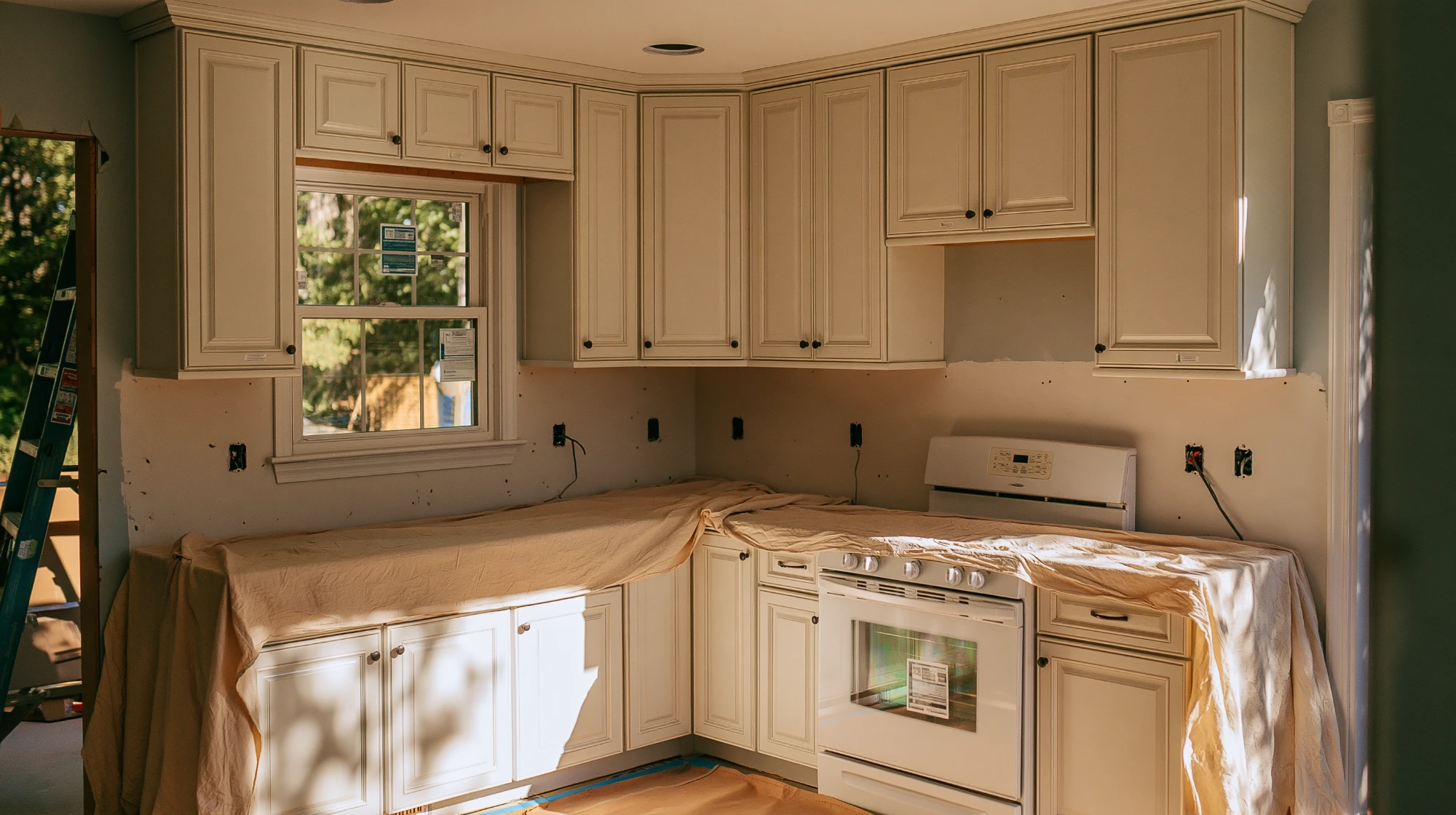
Good kitchen lighting combines three layers rather than relying on one ceiling fixture, so no area is over- or under-lit. Ambient lighting such as recessed cans, task lighting such as under-cabinet or over an island, and accent lighting such as for cabinets and shelving should all be considered and discussed.
Under-cabinet lights should be aimed at the counter, pendants centered over the island, and a fixture placed directly over the sink. Recessed cans work best spaced for need and kept back from cabinet faces, planned around work zones rather than a simple grid. Task lighting should be on separate dimmers from ambient and accent lighting, using LED-rated dimmers, and smart switches can set the ambiance for different moods.
1. Plan for dedicated circuits
Major appliances need their own dedicated circuit: refrigerator, dishwasher, microwave, garbage disposal, and electric range/oven each typically require a separate circuit sized to their load. Combining these onto shared circuits is a common code violation and fire risk.
2. Add GFCI protection at all countertop outlets
Any outlet near a sink or serving countertop surfaces must be GFCI (ground-fault circuit interrupter) protected under most current codes. This protects against shock in wet areas.
3. Meet countertop outlet spacing requirements
Code generally requires outlets spaced so no point along the counter is more than 24 inches from an outlet, meaning most counters need an outlet every 4 feet, plus any island or peninsula counter 12 inches or wider typically needs its own outlet.
4. Size circuits for small appliance loads
Kitchens typically need at least two 20-amp small-appliance circuits to handle countertop devices like toasters, blenders, and coffee makers without tripping breakers when multiple items run at once.
5. Check your panel’s capacity
Adding several new dedicated circuits plus higher-draw appliances (like an induction range) can push an older panel past its capacity. A panel upgrade or subpanel may be needed, especially in homes with 100-amp service or older fuse boxes.
6. Plan lighting circuits separately
Keep general lighting on its own circuit(s) separate from outlets and appliances, and consider dimmers, under-cabinet lighting, and recessed lighting needs early since they affect wiring runs before walls and ceilings close up.
7. Think about future needs
Consider running extra circuits or conduit for things you might add later: a wall oven, a wine fridge, bread oven, warming drawer, an induction cooktop, etc., since it’s far cheaper to rough this in during a remodel than to retrofit later.
8. Hire a licensed electrician and pull permits
Kitchen electrical work almost always requires a permit and inspection because of the safety stakes involved with water, high-draw appliances, and GFCI/AFCI requirements. A licensed electrician ensures the work meets current NEC code and passes inspection.
Rather talk it through?
Describe what’s going on and Bobby will come back with a straight answer — usually the same day.
(719) 428-5882Need this done?
Tell us what you’re planning — or what’s gone wrong. Licensed, insured, and quoting honestly since 2012.
Request serviceWho wrote this
Bobby Matthews, licensed master electrician — four decades in the trade, and on most Essential Electric jobs himself or supervising.
Where we work
Based in Colorado Springs, serving homes and businesses along the Front Range and across Colorado.
Ready when you are
An electrician you can trust is essential.
Straight answers, honest pricing, and work we stand behind — Colorado Springs and the Front Range, since 2012.
Licensed & insured electrical contractor
© Essential Electric, LLC · Colorado Springs, CO
Designed by BornMonday to Friday 8:00 AM – 5:00 PM
Urgent problems: call — if we can help, we will.
Colorado Springs metroStratmoor · Cimarron Hills · Air Force Academy · Old Colorado City
NorthGleneagle / Woodmoor · Palmer Lake · Monument · Larkspur · Castle Rock
SouthSecurity-Widefield · Fountain · Pueblo West · Pueblo
WestManitou Springs · Cascade · Chipita Park · Green Mountain Falls · Crystola · Woodland Park · Divide · Florissant
EastBlack Forest · Falcon · Peyton · Calhan